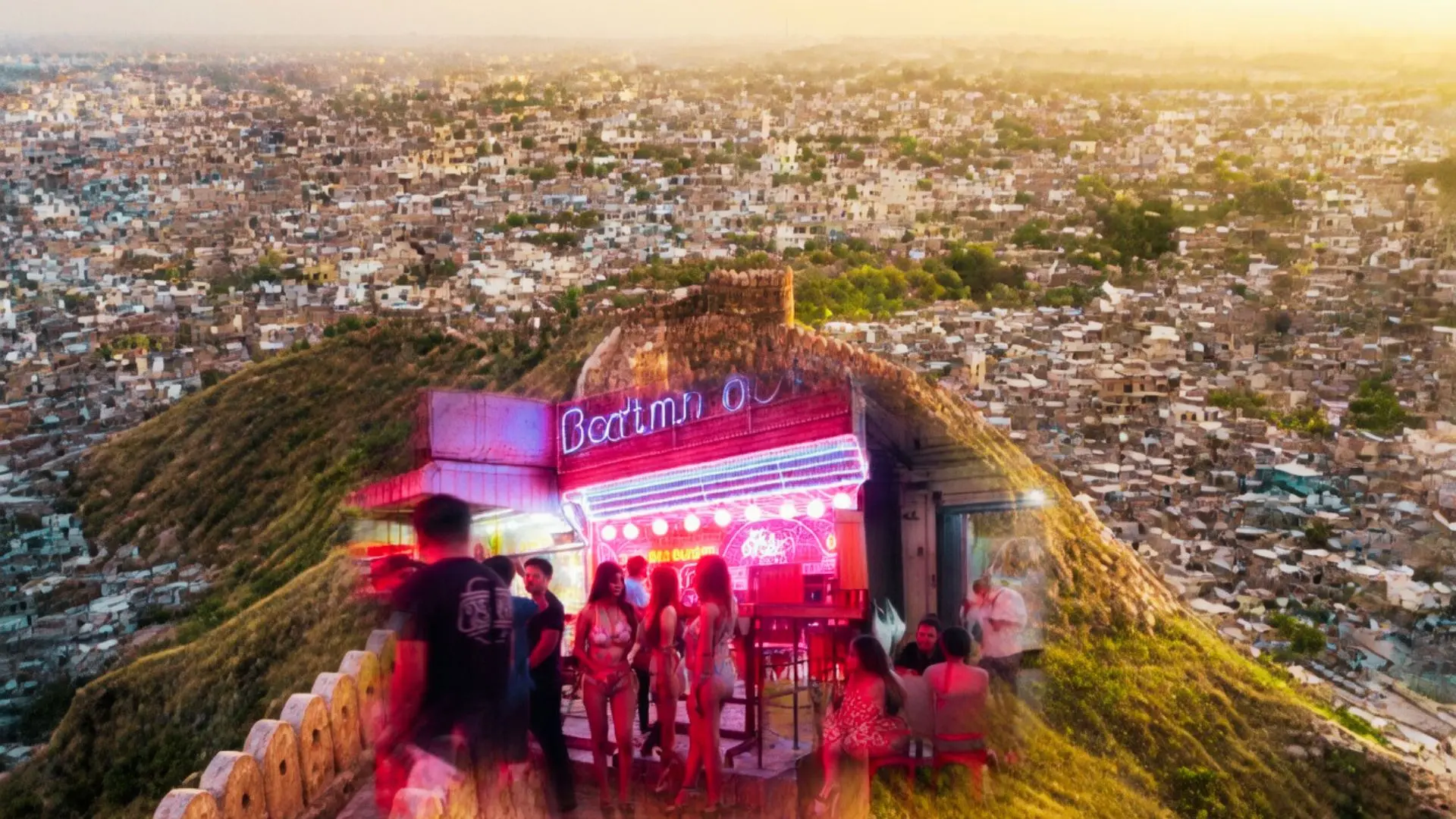
How to Find Red Light Areas in Jaipur, the capital of Rajasthan, is one of India’s most famous tourist destinations. Known as the Pink City, Jaipur attracts millions of visitors every year because of its royal palaces, colorful markets, historic forts, and vibrant culture. From iconic monuments to busy bazaars, the city offers a unique mix of traditional heritage and modern urban life.
Like many historic cities around the world, Jaipur also has neighborhoods that are often discussed in connection with nightlife or adult-entertainment activities. Over time, some areas in the Old City developed reputations associated with such activities due to historical trade routes, dense markets, and urban migration patterns.
This guide provides a complete overview of the Jaipur red light area, including location details, history, nearby landmarks, travel routes, and important visitor awareness tips. The purpose of this article is to help readers understand the geographical and cultural context of these areas while exploring Jaipur responsibly.
What Is the Jaipur Red Light Area?
The term red light area generally refers to neighborhoods where adult-entertainment activities are commonly associated historically or socially. These districts exist in many major cities across the world and often developed due to historical trade routes, migration, and urban expansion.
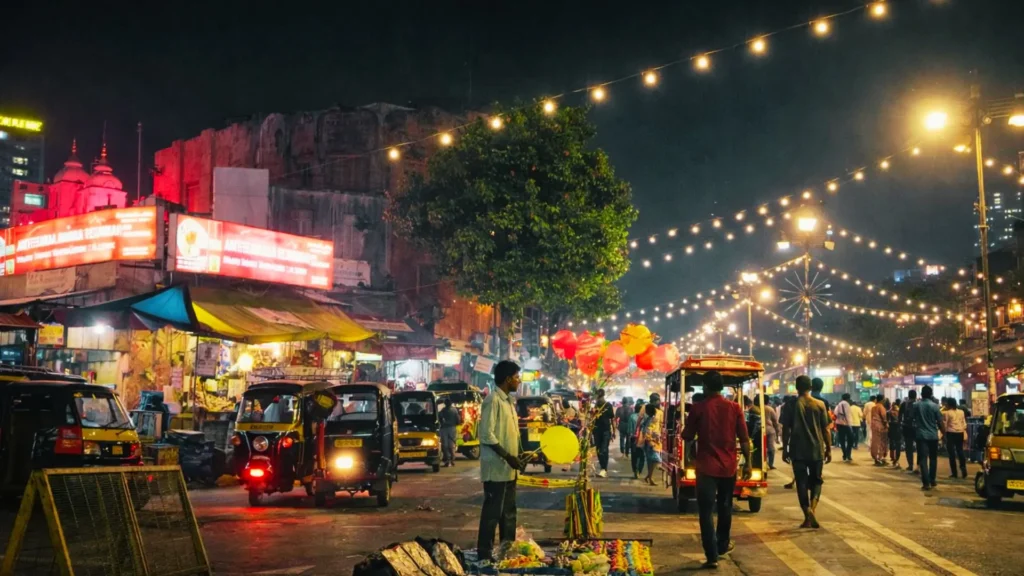
In India, such areas are typically located in older parts of cities where commercial activity has existed for centuries. Over time, these places became part of the urban landscape and gained recognition through word-of-mouth or local discussion.
In Jaipur, references to a red light area usually point to specific streets and market zones within the Old City rather than a single officially designated district. Visitors should understand that these neighborhoods are primarily residential and commercial areas, and respectful behavior is essential.
How to Find Red Light Areas in Jaipur
Several locations in the historic part of Jaipur are commonly discussed when people talk about nightlife or red light areas. These places are mainly situated near the old walled city.
Nahargarh Road
Nahargarh Road Jaipur is often mentioned in discussions related to Jaipur’s nightlife or adult-activity areas. The road connects parts of the Old City with other commercial districts and is known for its busy environment.
Historically, this area developed as a trading and residential zone, which gradually became crowded with shops, small businesses, and guesthouses. Because of its central location and constant activity, the area gained a reputation over time.
Visitors to this area will notice:
- Busy streets and local markets
- Small eateries and tea stalls
- Historic buildings typical of old Jaipur
- Easy connectivity to major landmarks
Travelers should remember that it remains a local neighborhood, and respecting residents and businesses is important.
Chandpole Bazaar
Chandpole Bazaar is one of the oldest markets in Jaipur. The area is famous for handicrafts, marble statues, traditional furniture, and local goods.
Because of its central location within the walled city, the area stays active until late evening. Over decades, the dense population and commercial nature of the market contributed to its mention in discussions about nightlife.
Visitors often come here for:
- Traditional handicrafts
- Local street food
- Old Jaipur architecture
- Busy night market atmosphere
Even though the area is sometimes mentioned in online discussions about red light districts, it is primarily a shopping and cultural market.
Badi Chaupar
Badi Chaupar is a large historical square located in the heart of the Pink City. It acts as a major intersection connecting several important streets and bazaars.
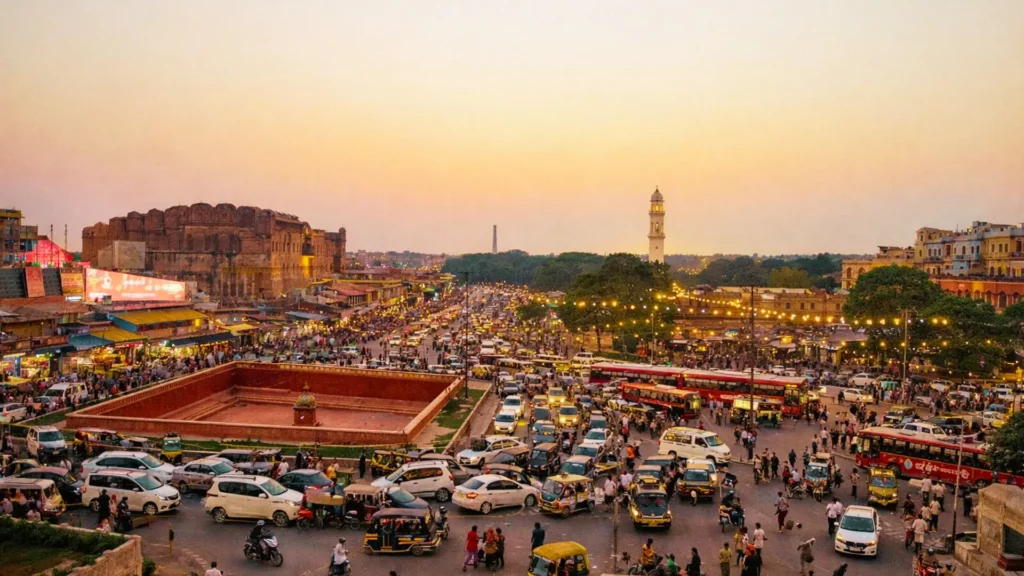
The square is surrounded by:
- Traditional shops
- Historic buildings
- Busy transportation routes
Because of its central position and heavy foot traffic, the area has long been part of Jaipur’s nightlife environment.
Today, Badi Chaupar is best known as a transport hub and market area, especially after the development of Jaipur Metro connectivity.
Areas Around Hawa Mahal
Hawa Mahal is one of Jaipur’s most iconic landmarks. The surrounding lanes are filled with markets, guesthouses, and tourist attractions.
Due to the heavy tourist presence and commercial activity, nearby streets remain active throughout the evening. Some online discussions loosely associate nearby lanes with nightlife, but the primary identity of the area remains tourism and shopping.
Visitors exploring the region will find:
- Jewelry markets
- Textile shops
- Street food stalls
- Historical architecture
Why These Areas Became Known
Several factors contributed to the reputation of certain areas in Jaipur.
Historical Trade Routes
The Old City of Jaipur was designed as a planned commercial hub. Markets like Johari Bazaar and Chandpole Bazaar attracted traders from across the region.
Dense Population
As Jaipur grew over centuries, the Old City became crowded with residential buildings and small businesses.
Tourism Growth
The popularity of Jaipur among international tourists increased nightlife and late-evening activity in certain parts of the city.
Urban Social Changes
Like other large cities, Jaipur experienced social and economic changes that influenced how certain neighborhoods developed over time.
How to Reach the Area
These locations are situated inside the Old Walled City of Jaipur, making them easily accessible from major transport hubs.
From Jaipur Railway Station
Jaipur Junction Railway Station is about 5–6 km from the Old City.
Travel options include:
- Auto-rickshaw
- Local taxi services
- App-based cabs
- City buses
The journey usually takes 15–25 minutes depending on traffic.
From Jaipur International Airport
Jaipur International Airport is located about 12–13 km from the Old City area.
for visit – Red Light Area Near Me – Locations, Guide & India’s Famous Red Light Districts
Visitors can reach the historic districts using:
- Taxi services
- Ride-sharing apps
- Private car rentals
- City buses
Travel time is generally 30–40 minutes.
Local Transport Options
Once inside the Old City, most people prefer:
- Walking through the narrow market streets
- Taking cycle rickshaws
- Using local auto-rickshaws
Because the markets are close together, walking is often the easiest way to explore.
Things to Know Before Visiting
When exploring the older parts of Jaipur, visitors should keep several things in mind.
Respect Local Communities
These areas are primarily residential and commercial neighborhoods where local families live and work.
Follow Local Laws
India has strict laws regarding public behavior, so visitors should act responsibly.
Avoid Unnecessary Photography
Taking photos of people without permission can cause discomfort or misunderstandings.
Visit During Daytime
If you are unfamiliar with the area, exploring during daylight hours is generally more comfortable.
Stay Aware of Surroundings
Like in any busy market area, keeping an eye on personal belongings is advisable.
Nearby Tourist Attractions
The areas mentioned above are located close to several famous attractions in Jaipur.
Hawa Mahal
Hawa Mahal, also known as the Palace of Winds, is one of the most photographed monuments in Rajasthan.
City Palace
City Palace Jaipur is a royal residence and museum that showcases Jaipur’s royal heritage.
Jantar Mantar
Jantar Mantar Jaipur is a UNESCO World Heritage astronomical observatory built in the 18th century.
Johari Bazaar
Johari Bazaar is famous for jewelry, gemstones, and traditional Rajasthani crafts.
Many visitors explore these attractions together while wandering through the colorful streets of the Pink City.
Cultural and Social Perspective
The discussion around red light areas in Indian cities often reflects historical urban development rather than official designation. Over time, government policies, social awareness programs, and urban development projects have changed the character of many such neighborhoods.
For visit – Red Light Areas in Bangalore- Red Light Districts, Nightlife & Local Insights
In Jaipur, tourism, heritage conservation, and modernization continue to reshape the Old City. Markets are being renovated, infrastructure is improving, and cultural tourism is expanding.
Understanding the historical and social background helps visitors see these areas not just through stereotypes but as part of the complex story of a historic city.
FAQ
1. Where is the red light area in Jaipur?
Some discussions online mention parts of the Old City such as Nahargarh Road and nearby market areas when referring to nightlife or adult-activity zones. However, these locations are mainly residential and commercial neighborhoods, and visitors should respect local communities when exploring the area.
2. Is there an officially designated red light district in Jaipur?
No, there is no officially recognized red light district in Jaipur. The city is primarily known for tourism, heritage sites, and markets, and any references to such areas are based on local discussions or historical reputation rather than official designation.
3. How can visitors reach the Old City areas of Jaipur?
The Old City can be easily reached from Jaipur Junction Railway Station or Jaipur International Airport by taxi, auto-rickshaw, or app-based cab services. Many tourists prefer walking through the markets once they reach the historic center.
4. Are the Old City areas of Jaipur safe for tourists?
Yes, most areas of Jaipur’s Old City are popular tourist locations with markets and historical landmarks. Like any busy city market, visitors should stay aware of their surroundings, keep valuables secure, and respect local customs.
5. What tourist attractions are located near these areas in Jaipur?
Many famous attractions are located close to the Old City, including Hawa Mahal, City Palace Jaipur, and Jantar Mantar Jaipur. These places make the area a popular destination for visitors exploring Jaipur’s cultural heritage.
Conclusion
Jaipur is a city filled with history, culture, and architectural beauty. While some areas of the Old City are occasionally mentioned in discussions about nightlife or red light districts, they are primarily historic marketplaces and residential neighborhoods.
Places like Nahargarh Road, Chandpole Bazaar, and Badi Chaupar remain important parts of Jaipur’s vibrant urban life.
Visitors exploring these areas should do so with respect for local communities, awareness of cultural norms, and appreciation for the rich history of the Pink City.